
The UK tax year 2025/26 runs from 6 April 2025 to 5 April 2026. Every new tax year brings updates that impact how much tax we pay and how companies must manage their finances.
Some rules are staying exactly the same, while others are gradually changing as the government prepares for a fully digital tax system.
Whether you are a regular employee, a freelancer, a landlord, or a company director, knowing these rules early is vital. Understanding the latest updates helps you plan your money better and completely avoids the stress of unexpected tax bills.
This simple guide explains the most important changes for the 2025/26 UK tax year.
Income Tax Thresholds Remain Frozen
For the 2025/26 tax year, the government has kept income tax thresholds “frozen.” This means your tax-free Personal Allowance and the starting points for higher tax bands remain exactly the same as last year.
Income Tax Bands for 2025/26:
- Personal Allowance: Up to £12,570 (0% tax)
- Basic Rate: £12,571 to £50,270 (20% tax)
- Higher Rate: £50,271 to £125,140 (40% tax)
- Additional Rate: Over £125,140 (45% tax)
Because these numbers are frozen, you may end up paying more tax if your wages go up. This hidden tax increase is known as “fiscal drag.” For example, if you get a pay rise, it might push your earnings into a higher tax band.
If you are self-employed or a company director, seeking business accounting advice can help you legally structure your income to manage this effect.
National Insurance Changes Continue
National Insurance Contributions (NICs) remain a core part of the UK tax system, but there have been helpful reductions recently.
Following recent government reforms, the main rate of employee National Insurance has been reduced. This means many regular workers will continue to see slightly less taken out of their monthly pay packets compared to older tax years.
Changes for Self-Employed Workers
If you work for yourself, the rules have also been simplified. The biggest update is the permanent removal of “Class 2” National Insurance contributions for most self-employed people.
Even without making these weekly Class 2 payments, most freelancers will still remain eligible for important state benefits, including the State Pension.
Dividend Allowance Remains Low
If you run a limited company or invest in shares, you must pay attention to the dividend allowance. This allowance is the amount of dividend income you can receive completely tax-free.
For the 2025/26 tax year, the tax-free dividend allowance remains at just £500 per year. Any dividend money you take above this amount is taxed based on your standard income tax band.
Current Dividend Tax Rates:
- Basic rate taxpayers: 8.75%
- Higher rate taxpayers: 33.75%
- Additional rate taxpayers: 39.35%
Because this allowance is now so small, business owners need careful director salary and dividend planning to ensure they are taking money out of their company in the most tax-efficient way.
Corporation Tax for UK Companies
If you operate as a limited company, your business profits are subject to Corporation Tax. The multi-tiered system introduced recently will continue throughout the 2025/26 tax year.
Corporation Tax Rates:
- Profits up to £50,000: Taxed at 19% (the Small Profits Rate)
- Profits between £50,001 and £250,000: A sliding scale known as “Marginal Relief” applies, slowly increasing your tax rate.
- Profits over £250,000: Taxed at the full rate of 25%.
Understanding exactly where your profits fall is highly important for accurate business forecasting.
Making Tax Digital Is Getting Closer
One of the biggest shifts in UK tax history is happening soon. Making Tax Digital (MTD) is the government’s plan to force all taxpayers to report their earnings online using approved software.
Upcoming MTD Rules (Starting April 2026):
From April 2026, the law changes for:
- Self-employed individuals earning over £50,000 a year.
- Landlords earning over £50,000 a year from property.
If you fall into this group, you will no longer be allowed to use paper records or basic spreadsheets. You must:
- Keep all financial records digitally.
- Use approved cloud accounting software.
- Send quarterly digital income updates to HMRC, rather than just one annual tax return.
Eventually, these rules will apply to people earning much lower amounts, so it is wise to switch to digital software now.
Tax Changes Affecting Landlords
Being a property investor comes with complex tax rules. The most significant ongoing rule is “Section 24.”
In the past, landlords could deduct their full monthly mortgage interest payments from their rental profits. Now, landlords can only claim a 20% basic-rate tax credit on their mortgage interest. For higher-rate taxpayers with large mortgages, this rule significantly increases their final tax bill.
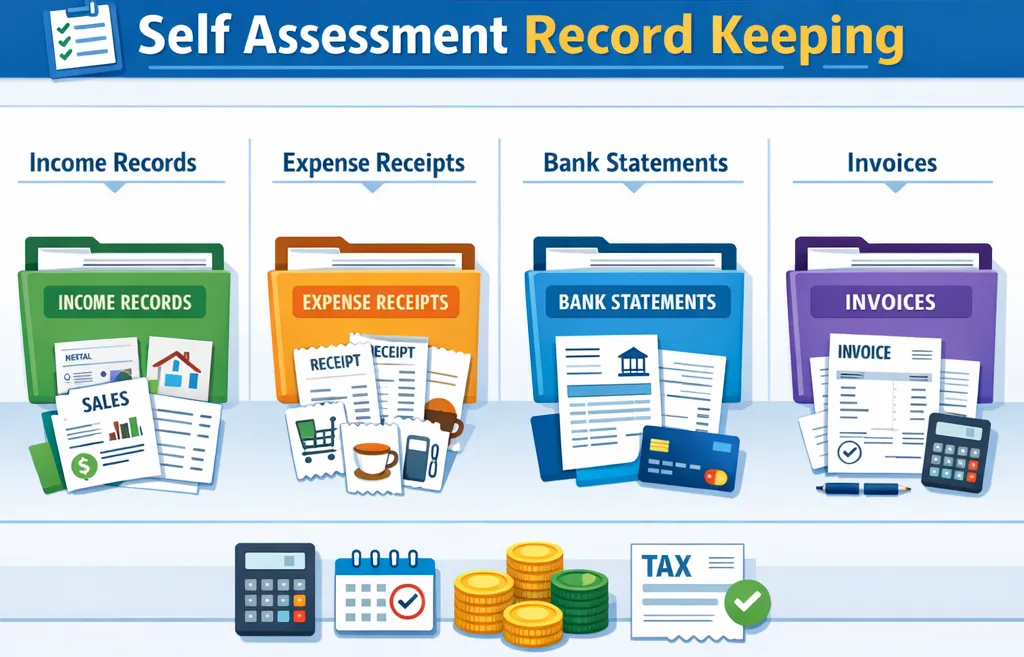
Furthermore, because Making Tax Digital is approaching, landlords must start keeping flawless digital records. Getting expert landlord property tax advice is the best way to ensure your buy-to-let remains profitable.
Capital Gains Tax and Investment Planning
Capital Gains Tax (CGT) is the tax you pay on the profit when you sell an asset that has increased in value. This usually applies to second homes, business assets, or company shares.
The annual tax-free allowance for Capital Gains has been heavily reduced in recent years. Because the tax-free limit is now so low, far more people will have to report their gains and pay Capital Gains Tax when selling assets.
If you plan to sell a property or major asset in 2025/26, speak to an accountant first. Proper timing and claiming the right tax reliefs can save you thousands of pounds.
Practical Steps for the New Tax Year
The start of a new tax year in April is the perfect time to organise your finances. Take these simple steps to stay ahead:
- Check your tax band: Calculate if a pay rise will push you into a higher tax bracket.
- Track expenses early: Do not wait until January; log your business costs monthly.
- Review your salary vs. dividends: Directors should ensure their pay structure is still efficient under the £500 dividend allowance.
- Go digital: Switch to HMRC-approved accounting software before the Making Tax Digital rules become mandatory.
Key Takeaway
The 2025/26 UK tax year brings a mix of steady rules and digital updates. With frozen income tax thresholds, a tiny dividend allowance, and the fast approach of Making Tax Digital, keeping accurate records is more important than ever.
Whether you are a sole trader, a landlord, or running a limited company, understanding these changes ensures you stay fully compliant with HMRC while protecting your hard-earned money.

Muhammad Bilal is a Fellow Chartered Certified Accountant (FCCA) and Director of Protax Consultants, a London-based accounting firm specialising in tax advisory, compliance, and business accounting services.
Bilal qualified with the Association of Chartered Certified Accountants (ACCA) in 2009 and later achieved FCCA status after gaining extensive professional experience. With more than 13 years of experience in accounting, taxation, and auditing, he advises SMEs, landlords, contractors, and charities on tax planning, compliance, and financial management.
As a registered HMRC agent, Bilal assists clients with Self Assessment tax returns, corporation tax planning, VAT compliance, payroll services, and HMRC enquiries.
Bilal holds a BSc (Hons) in Applied Accounting and leads the audit and compliance function at Protax Consultants.
Company Verification:
Protax Consultants Ltd – Company Number 14701253
View Companies House Record